

Success stories
ETE Estoril (São Paulo)
Main watewater treatment plant of the city of Atibaia – São Paulo, which takes 55% of the efluente generated–.
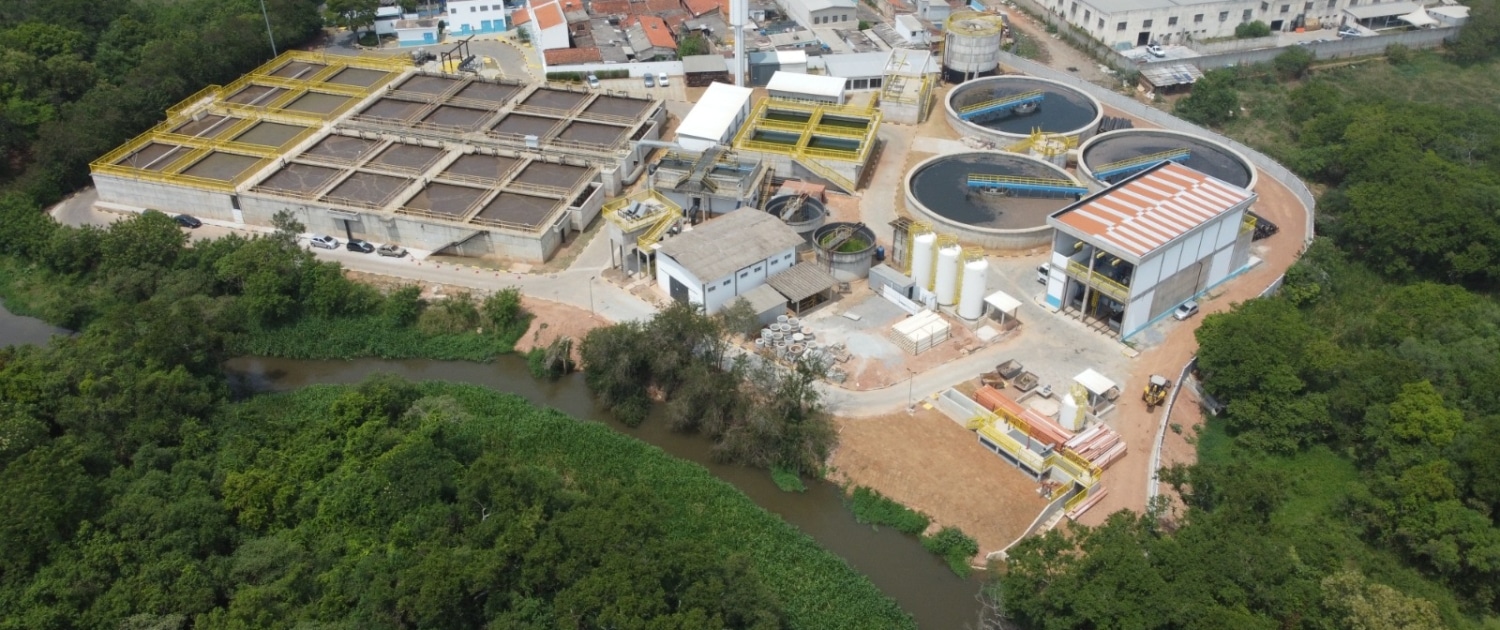
Plant characteristics
- Design flow: 28.400 m3/d
- Biological treatment: Oxidation ditech – 4 basins.
- Aeration system:
- 6 x (87,5W) screw blowers
- 4 regulation valves
- Effluent discharge consents:
- DBO5< 20 mgO2/L
- NH₄-N < 2 mg N/L
- NO₃-N < 10 mg N/L
- TP < 1 mg P/L
Challenge
The CREApro® platform is equipped with self-customizing process intelligence tools and editable control configuration settings, serving both for day-to-day operational control and as a strategic tool.
Solution implemented
KPIs
100%
Effluent quality compliance
30%
Aeration energy savings
100%
Biological P removal (EBPR)
100%
Robustness and reliability
Feedback from the user
“The implementation of the intelligent aeration control system at the ETE Estoril plant brought a highly significant improvement in the plant’s operational control. We now have a much more stable and predictable operation, with better response to load variations.
An important point was ensuring compliance with discharge requirements, especially regarding phosphorus. We were able to consistently maintain biological removal, supported by more precise control of aeration and biological process conditions, avoiding the need for significant investments in a dedicated tertiary phosphorus removal system.
In addition, we observed very significant performance in energy efficiency, with a 30% reduction in consumption associated with the aeration system, which is one of the plant’s main operational costs. The control system automatically manages this, typically keeping only one blower in operation while rotating periodically among the six installed blowers.
The platform also made it easier to monitor the process in real time, providing greater confidence in operational decision-making.
In practice, it is operational intelligence applied to the plant’s day-to-day activities.”
Operations Coordinator. IGUA – Atibaia Saneamento


